-Abscess-
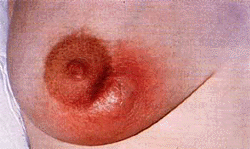
-A breast abscess is a localized collection of purulent material that develop usually as a result of mastitis
-Do not have to be lactating to develop breast abscess
-Signs and symptoms of breast abscess is painful inflammation of the breast associated with malaise, along with fever and tender fluctuant mass
-Primary treatment of breast abscess is incision and drainage
-If an abscess is suspected an ultrasound should be done to confirm and help localize the pocket of purulent material
-In the absence of MRSA risk factors, empiric therapy with cephalexin or dicloxacillin should begun.
-With MRSA risk factors bactrim or clindamycin should be initiated.
-In the setting of severe infection vancomycin should be given
-Subaerolar breast abscess with a retracted nipple should raise the possibility of anaerobic infection and should start augmentin or clindamycin
-Women should continue breast feeding
-Carcinoma-
-Globally, Breast cancer is the most frequently diagnosed cancer and leading cause of cancer death in women
-In the US, breast cancer is the most common diagnosed cancer and the second most common cause of cancer death in women.
-Patients are staged via the TNM staging system
-Early stage includes stage I, IIa or a subset of II B
-Locally advanced includes a subset of patients with clinical stage II B and stage IIIA to IIIC disease
-Early stage breast cancer undergo primary surgery (lumpectomy or mastectomy) to the breast and regional nodes with or without radiation
-Following local treatment, systemic treatment may be offered based on primary tumor characteristics, tumor size, grade, status of estrogen receptors, progesterone receptors, and the human epidermal growth factor 2 (HER 2 ) receptor
-Locally advanced breast cancer is best managed with mutimodality therapy including systemic and local regional therapy
-Fibroadenoma-
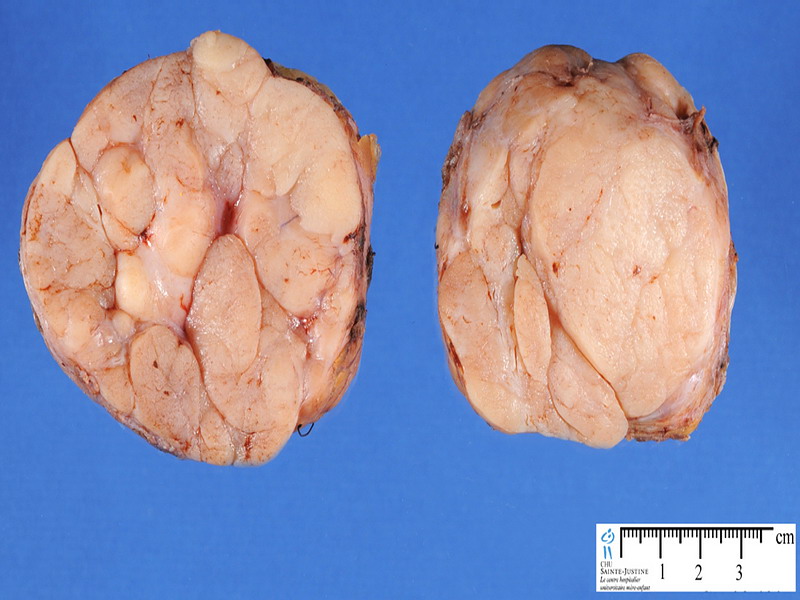
-Simple fibroadenomas are benign sold containing tumors that have some glandular as well as fibrous tissue
-Multiple fibroadenomas can occur on the same breasts or bilaterally
-Etiology of fibroadenomas is not known but thought to be hormonal. They persist during the reproductive years, can increase in size during pregnancy or with estrogen therapy, and regress in menopause
-Fibroadenomas are usually found between the ages of 15-35
-With complex fibroadenomas there is an increase risk of breast cancer
-Physical exam usually reveals a well defined mobile mass, and a solid mass on ultrasound
-It is not necessary to excise biopsy proven fibroadenomas
-If a presumed fibroadenoma is symptomatic or increases in size, then incision is mandatory to rule out malignant change
-Rapid growth increases the suspicion for phyllodes tumor
-Fibrocystic Disease-
-Fibrocystic disease is breast pain that is attributed to fibrocystic changes
-The pain may be cyclical with the menstrual cycle hormone changes
-The terminology of the breast exam is nodular sensitive breast
-These are considered normal physiologic changes
-Patients should have regular mammograms and surveillance
-Gynecomastia-

-Gynecomastia is a benign proliferation of glandular tissue in the male breast
-Gynecomastia is caused by an increase in the ratio of the estrogen to androgen activity
-Gynecomastia can be unilateral or bilateral and is a palpable mass of at least 0.5 cm in diameter underlying the nipple
-Pseudogynecomastia is when there is not an increase in glandular tissue but fat tissue instead
-Gynecomastia is different from breast cancer in that breast cancer is typically eccentric to the nipple complex, firm to hard in texture, and may be associated with skin dimpling, nipple discharge, and regional lymphadenopathy
-Drugs/Medications associated with gynecomastia: anti-androgens and inhibitors of androgen synthesis, antibiotics, anti ulcer drugs, some chemotherapy drugs, ACE inhibitors, amiodarone, calcium channel blockers, digoxin, methyldopa
-Other causes of gynecomastia include: alcohol, heroin, marijuana , methadone, amphetamines, androgens, anabolic steroids, psychotropic medications, and other various medications
-If gynecomastia is tender LH, HCG should be measured. Mammography should be performed when the diagnosis is in question
-Galactorrhea-

-Galactorrhea is a milky nipple discharge unrelated to the normal milk production of breast-feeding
-There are many causes of galactorrhea, some physiologic and some pathologic
-Medications that can cause galactorrhea typical antipsychotics, atypical antipsychotics, antidepressants, Tagamet, Reglan, Methyldopa, Verapamil, codeine, and morphine
-Hyperprolactinemia can cause galactorrhea
-Neurogenic stimulation can cause galactorrhea
-Pathologic discharge is usually unilateral, localized to a single duct, persistent and spontaneous. It can be yellow, sanguinous, or blood tinged.
-The most common cause of pathologic nipple discharge is papilloma. Solitary papillomas can harbor areas of atypic or ductal carcinoma in situ (DCIS)
-Treatment is directed at finding underlying cause and treating it or discontinuing the medication
-Mastitis-

-Mastitis is the localized inflammation of the breast tissue that may or may not be accompanied by infection
-Three major classifications of mastitis: infections, non infectious, and mastitis associated with malignancy
-Infectious mastitis can include simple mastitis or complicated mastitis (abscess formation)
-Lactational mastitis is the most common form of mastitis
-Non infectious mastitis can be from post irradiation mastitis, periductal mastitis, and idiopathic granulomatous mastitis
-Lactation mastitis best treated with cephalexin or augmentin
-If MRSA is suspected use bactrim

No comments:
Post a Comment