Thursday, June 19, 2014

Complicated Pregnancy

Complicated Pregnancy-

-Abortion (Miscarriage)-


-Spontaneous abortion or miscarriage is pregnancy loss before 20 weeks of gestation

-The frequency of spontaneous abortion decreases with increasing gestational age

-Eighty percent of spontaneous abortions occur in the first 12 weeks of gestation

-The overall risk of spontaneous abortion after 15 weeks is low (about 0.6 percent)

-Major risk factors for spontaneous abortion include advance maternal age, previous spontaneous abortion, and maternal smoking

-Some studies have shown increase risk of spontaneous abortion with increasing gravity

-Substances and medications that can cause spontaneous abortion include:  smoking, alcohol, cocaine, and  NSAIDS

-Other factors that may influence spontaneous abortion include:  low plasma folate levels, extremes of mothers weight, fever during pregnancy, and celiac disease

-The etiology of spontaneous abortion is most caused by chromosomal abnormalities or exposure to teratogens

-Pregnancy loss may be to septum uterus, leiomyoma, intrauterine adhesion.  Material infections such as listeria, toxoplasmosis, parvovirus B19, rubella, HSV, CMV, or lymphocytic choriomenigitis virus can result in abortion due to fetal or placental infection

-Clinically presents with vaginal bleeding and pelvic pain.

-Spontaneous abortion may be detected incidentally by absence of fetal cardiac activity on hand held doppler or by pelvic ultrasound

-Pelvic Exam should be performed to look to make sure the uterus is the source of the bleeding rather than a vaginal lesion

-Subchorionic hemorrhage or hematoma is a risk for spontaneous abortion

-Quantitative HCG and ABORh should be drawn when spontaneous miscarriage or suspected.  Women who are Rh negative need to get Rhogam.

-Diagnosis of spontaneous abortion is made usually by pelvic ultrasound

-Differential diagnosis of bleeding or pain in early pregnancy includes:  physiologic, ectopic pregnancy, gestational trophoblastic disease, subchorionic hematoma, cervical, vaginal or uterine pathology

-Threatened miscarriage is bleeding and pain but cervical os is closed and the diagnostic criteria for spontaneous miscarriage is not met.

-Missed abortion is a spontaneous abortion in a patient with or without symptoms having a closed cervical os.

-Incomplete abortion is when vaginal bleeding and or pain are present, the cervix is dilated and products of conception are found within the cervical canal on examination

-Complete abortion is when products of conception are entirely out of the cervix and uterus

-The conventional treatment of first or early second trimester failed pregnancy is dilation and curettage is perfumed to prevent potential hemorrhagic or infectious complications

-Misoprostol, a prostaglandin E1 analog, is available when women who want to avoid surgery and where surgical intervention is not practical


-Abruptio Placentae-


Placental abruption is bleeding at the decidual placental interface that causes partial or total placental detachment prior to delivery of the fetus

-The diagnosis of placental abruption is typically reserved for women over 20 weeks

-Placental abruption can cause significant material and perinatal morbidity and perinatal mortality

-The perinatal death rate of placental abruption is about 12 percent

-Major risk factors for placental abruption are:  abdominal trauma, cocaine and other drug use, polyhydraminos, chronic hypertension, preclampsia, pregnancy induced hypertension, premature rupture of membranes, chorioamnioitis, increasing maternal age, parity, smoking during pregnancy, and male sex of the infant

-Retroplacental hematoma is the classic ultrasound finding with placental abruption

-Classically women over 20 weeks present with acute onset of mild to moderate vaginal bleeding and abdominal and/or back pain

-All patients with acute placental abruption need to be monitored and undergo continuous fetal heart rate assessment until their status is clear

-Want to have large bore IV access and to keep mother warm with SpO2 greater than 95%

-Lab workup should include CBC, Blood Type and Rh, and Coagulation studies.  The anesthesia team should be notified

-Indications for delivery with placental abruption are as below:
1.  Delivery non severe abruption over 36 weeks, or severe abruption at any age
2.  Non Severe Abruption between 34-36 weeks

-Non Severe Abruption less than 34 weeks should be delivery when the mother is stable and tests of fetal well being are reassuring


-Cesarean Section-


- C-Sections have two major different techniques:  transverse incision, and low vertical and classical incision

-Transverse incision is recommended for most C-Sections.  It employs a transverse incision along the lower uterine segment.  There is less blood loss, less bladder dissection, easier reapproximation and a lower risk of rupture with subsequent pregnancies

-A Low Vertical incision is perfumed in the lower uterine segment and appears to be sat strong as the low transverse incision

-A vertical incision that extends into the upper uterine segment is a classical incision.  This is rarely performed at or near term because subsequent pregnancies it is associated with higher frequency of uterine dehiscence or rupture

-Indications for C-Section:
1.  Failure to Progress
2.  Non Reassuring Fetal Status
3.  Fetal Malpresentation
4.  Abnormal Placenta
5.  Multiple Gestation
6.  Maternal Infection
7.  Fetal Bleeding Diathesis
8.  Cord Prolapse
9.  Suspected Macrosomia
10.  Uterine Rupture
11.  Mechanical Obstruction to vaginal birth


-Dystocia-


-A shoulder dystocia complicates a vaginal delivery when after delivery the fetal head, additional maneuvers beyond gentle traction are needed to enable delivery of fetal shoulders

-The goal of management of shoulder dystocia is to prevent asphyxia and permanent Erb's palsy, while avoiding physical injury

-Shoulder dystocia is a subjective diagnosis made during delivery

-Most interventions are intended to disimpact the anterior shoulder behind the symphysis pubis by rotating the fetal trunk or delivering the posterior arm and shoulder


-Ectopic Pregnancy-


-Ectopic pregnancy occurs when the developing blastocyst become implanted at another site other than the endometrium of the uterus

-Most common extrauterine location is the fallopian tube (98% of ectopic pregnancies)

-Hemorrhage from ectopic pregnancy is still the leading cause of maternal related death in the first trimester

-The guiding principle has evolved to attempts to save the tube rather than salpingectomy

-Risk factors for ectopic pregnancy include:  previous ectopic pregnancy, tubal pathology or surgery of the tube, in utero exposure to DES, previous genital infections, IUD, multiple sexual partners, smoking, IVF, vaginal douching, age less than 18

-A Heterotopic Pregnancy is a combination intrauterine pregnancy and a concurrent pregnancy at an ectopic location

-Classic symptoms of ectopic pregnancy are abdominal pain, amenorrhea, and vaginal bleeding

-Clinical manifestations typically appear 6-8 weeks after the last normal period

-Physical exam findings may include adenexa tenderness, cervical motion tenderness, and abdominal tenderness

-Lab work up includes CBC, quantitative HCG, blood type and screen

-A serum HCG level is greater than 1500, a IUP should be visualized at most institutions.  A gestational sac has been identified as low as 800.

-If the quantitative HCG is too low, OB follow up should be arranged in 48 hours with repeat ultrasound if increases.  Differential diagnosis at this point is early IUP not seen, early ectopic, or missed abortion

-If the transvaginal ultrasound does not reveal an intrauterine pregnancy, and shows a complex adenexa mass, this is an ectopic pregnancy until proven otherwise

-Methotrexate can be used in hemodynamically stable ectopic pregnancies that are willing to comply with post treatment follow up if there is a beta HCG less than 5000 and no fetal activity.

-Women with ectopic pregnancy that should be treated surgically include:  hemodynamically unstable, signs of impending or ongoing ectopic mass, clinically important abnormalities in baseline hematologic labs, immunodeficiency, active pulmonary disease or peptic ulcer disease, hypersensitivity to methotrexate, breastfeeding, coexistent viable intrauterine pregnancy, non compliant patients, and patients that do not have timely access to a medical institution


-Fetal Distress-


-Normal fetal heart rate is 110-160

-Acceleration is an abrupt increase in the fetal heart rate.  Before 32 weeks accelerations should last greater than 10 seconds and peak over 10 bpm.  After 32 weeks gestation, accelerations should last greater than 15 seconds and peak 15 bpm above baseline.

-Late Deceleration is a gradual decrease and return to the baseline associated with a uterine contraction.  .  The deceleration is delayed in timing, with the nadir of the deceleration occurring after the peak of the contraction

-Early Deceleration-a gradual decrease and return to the baseline fetal heart rate associated with a uterine contraction.  The deceleration is delayed in timing with the nadir of the declaration occurring at the same time of the peak of the contraction.

-Variable Deceleration-an abrupt decrease in the fetal heart rate from baseline.  The decrease is greater than 15 bpm and lasts greater than 15 seconds and less than 2 minutes from the onset of rerun to baseline.  The onset, depth, and duration of variable declarations commonly vary with successive uterine contractions

-Prolonged Deceleration- a decrease in the fetal heart rate below baseline.  The decrease is greater than 15 seconds, lasts at least 2 minutes but less than 10 minutes from onset to return to baseline.  A prolonged deceleration for over 10 minutes is considered a change from baseline.

Non Stress Test- usually performed past 26-28 weeks when neurological development enables fetal accelerations.  Reactive tests are two accelerations occurring in a 20 minute period.  Non reactive stress tests does not show accelerations over a 40 minute period


-Gestational Diabetes-


-Women are screened for diabetes at 24-28 weeks gestation.

-Complications of gestational diabetes include:
1.  Large for Gestational Age and Macrosomia
2.  Preclampsia
3.  Polyhydraminos
4.  Stillbirth
5.  Neonatal morbidity

-Long term can affect offspring causes obesity, development of metabolic syndrome, and impaired glucose tolerance.  Can also lead to maternal type 2 diabetes and vascular related complications

-Treatment includes counseling, monitoring, nutritional therapy, insulin, and oral anti hyperglycemic drugs if needed

-If estimated fetal weight is greater than 4500 grams offer a C-Section, if less than 4500 grams can offer trial of labor if appropriate

-During labor periodic assessment of material glucose is needed and needs to be treated.  The goal of treatment is to reduce the risk of neonatal hypoglycemia

-After delivery, women with gestational diabetes should be able to resume a normal diet after the placental hormones dissipate.

-Breastfeeding is encouraged after delivery

-Normal values are Fasting Glucose Less than 95
-1 hour post prandial less than 140, and 2 hour post prandial less than 120


-Gestational Trophoblastic Disease-


-Gestational Trophoblastic Disease (GTD) is a proliferative disorder of the trophoblastic cells characterized by interrelated lesions arising from the trophoblastic epithelium of the placenta

-All forms of GTD are characterized by tumor marker beta HCG

-Several types of GTD-
1.  Hydatidiform Mole (complete or partial)
2.  Persistent/Invasive Gestational Trophoblastic Neoplasia
3.  Choriocarcinoma
4.  Placental Site Trophoblastic Tumors

-Hydatidiform Moles are noninvasive.  They make up 90% of all GTD.  They are a result of aberrant fertilization event that leads to proliferative process

-Malignant GTD can develop from a molar pregnancy or can arise after any gestational experience

-Risk factors are the very old and very young and history of previous GTD

-About 40% of complete moles are associated with HCG greater than 100,000

-Complete mole include the absence of fetus or embryo and no amniotic fluid, central heterogenous mass with numbers discrete anechoic spaces

-After treatment of molar pregnancy HCG levels should be monitored serially to make sure returns to baseline

-GTD can be treated with single agent such as chemotherapy, or combination of chemotherapy and surgery.  Depends on staging


-Hypertension Disorders in Pregnancy-


-Four Types of Hypertensive Disorders in Pregnancy-
1.  Gestational Hypertension-elevated BP first detected after 20 weeks gestation in the absence of protein in the urine or other diagnostic features of preclampsia

2.  Preclampsia/Eclampsia- Preclampsia is a syndrome of new onset hypertension and either proteinuria or end organ dysfunction most often after 20 weeks in a previously normotensive patient. Eclampsia is diagnosed when seizes occur

3.  Chronic Hypertension-is defined as systolic pressure over 140 or diastolic over 90, that precedes pregnancy and is present before the 20th week of pregnancy, or persists for over 12 weeks post partum

4.  Preclampsia superimposed on chronic hypertension-when a woman with previous hypertension is diagnosed with worsening hypertension with not onset proteinuria and other features of preclampsia such as elevated liver enzymes or low platelets

-Severe hypertension (Greater than 160/110) has been well established as benefits of treated for maternal reduction of stroke

-Mild to moderate hypertension may not be beneficial to treat short term.  Exposes fetal to potentially harmful medications and can inhibit fetal growth

-Treatment options such as methyldopa and labetolol are considered safe and effective

-Nifedipine appears to be safe and effective in pregnancy

-Hydralazine has been used extensively in the treatment of severe hypertension and preclampsia

-ACE inhibitors, ARB's, and Nitroprusside should be avoided in pregnancy

-Diuretics can reduce milk volume post partum

-With preclampsia we treat blood pressures that are consistently over 150/100

-Baseline labs include, BMP, glucose, urine, and quantitative analysis of urine protein

-Ultimately the "cure" for preclampsia is delivery


-Multiple Gestation-


-Multiples can be monozygotic or dizygotic. Dizygotic multiples result from the fertilization of multiple follicles.  Monozygotic multiples divide from a single ovum

-The plasma concentration of FSH being high seems to correlate with rates of dizygotic births

-Dizygotic twins have two placentas

-The risk for preterm labor is higher in multiple pregnancies than singletons

-The growth of twins is not significant from singletons from the first and second trimester.  There have been some studies that have shown some slower growth after 30 weeks gestation with multiples compared to singletons

-Higher rates of intrauterine growth restriction (IUGR) contribute to adverse outcomes of twin births

-Small for gestational age and discordant growth are complications of twin births

-Complications of multiple gestations include:  neurological developmental disorders, twin twin transfusion syndrome, and congenital abnormalities.

-Conjoined twins are a complication of monozygotic twins


-Placental Previa-
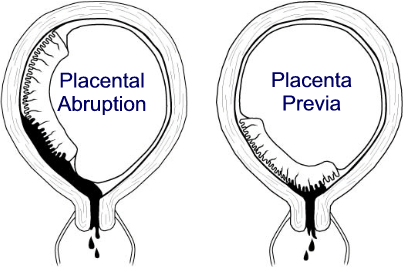


-Placenta previa is the presence of placental tissue that extends over or lies proximate to the internal cervical os.

-Placental previa should be suspected with painless bleeding beyond 20 weeks gestation

-Possible risk factors include:  previous C-Section, multiple gestations, multiparity, advanced material age, infertility treatment, previous abortion, previous intrauterine surgical procedure, material smoking, maternal cocaine use, male fetus, and non white race.

-Pathogenesis is unknown of placental previa

-Placental bleeding is thought to occur when gradual changes in the cervix and the lower uterine segment  apply shearing forces to the inelastic placental attachment site resulting in partial detachment

-Ten to twenty percent of patients with placental previa will present with uterine contractions and bleeding which is similar to the presentation of placental abruption

-Complications of placental previa include:
1.  Placenta Accreta
2.  Preterm labor and premature rupture of membranes
3.  Malpresentation
4.  Intrauterine growth restriction
5.  Vasa previa and velamentous umbilical cord
6.  Congenital abnormalities
7.  Amniotic fluid embolism

-Diagnosis is confirmed with ultrasound

-Pelvic rest until cleared by OB

-Will need a C-Section if continues until term


-Post Partum Hemorrhage-


-Postpartum hemorrhage is an obstetrical emergency that can follow a vaginal or c-section
delivery

-Primary Postpartum Hemorrhage occurs in the first 24 hours after delivery

-Secondary Postpartum Hemorrhage occurs 24 hours to 12 weeks after surgery

-Post partum hemorrhage is excessive bleeding that makes the patient symptomatic and results in signs of hypovolemia

-Hemorrhage may not necessarily vaginal can be internal when related to broad ligament or vaginal hematoma

-Postpartum hemorrhage can result from defective myometrial contraction (atony), defective decidual hemostasis, trauma, bleeding diathesis, or thrombocytopenia

-Risk factors include:  retained placenta, failure to progress, placenta accreta, lacerations, instrumental delivery, large for gestational age newborn, hypertensive disorders, induction of labor, or augmentation of labor

-Timely management includes accurate diagnosis and initiation of appropriate interventions:  drugs surgery, and referral

-Adequate IV access for massive transfusion, active management with third stage of labor with oxytocin, misporstol may be needed.


-Premature Rupture of Membranes-


-Premature Rupture of Membranes (PROM) refers to rupture of membranes before the onset of uterine contractions.  It is considered Preterm Premature Rupture of Membranes (PPROM) if it occurs before 37 weeks gestation

-Risk factors for PPROM include:  previous PPROM, genital tract infections, antepartum bleeding, and cigarette smoking

-Presentation of rupture of membranes in a sudden gush of clear or pale yellow fluid leaking from the vagina.

-Physical exam may reveal amniotic fluid coming out of the cervical os or pooling in the vaginal fornix.  This can be accentuated with coughing, valsalva or pushing on the fundus of the uterus

-Most women with PPROM will have low amount of amniotic fluid on ultrasound

-The majority of women with PPROM delivery within 1 week

-Nitrazine and Fern tests can help on physical exam if PPROM is not obvious on diagnosis.  It assesses the pH.  Amniotic fluid is usually 7.0-7.3, and the pH of the vagina is 3.8-4.2

-Patients that are 23-34 weeks with PPROM should be given a dose of corticosteroids to help mature the lungs.

-Corticosteroids has also been shown to reduce neonatal death, respiratory distress syndrome, intraventricular hemorrhage, and necrotizing enterocolitis

-Antibiotics are indicated to prolong latency and reduce the risk of neonatal group B streptococcal infection.  Ampicillin 2 grams Q6 IV is recommended for 48 hours

-Tococlytics are used to delay delivery for 48 hours to give the steroids a chance to work

-Magnesium sulfate is administered prior to delivery for fetal neural protection

-In the absence of any contraindication to vaginal delivery, patients may proceed with a vaginal delivery after appropriate therapeutic measures are taken


-Rh Incompatibility-


-Rh negative women who deliver an Rh positive bay or who are otherwise exposed to Rh positive RBC are at risk of developing anti Rh antibodies

-Rh positive fetuses of these mothers are at risk of developing hemolytic disease of the fetus and newborn

-Rhogam, Rh (D) immunoglobulin, prophylaxis has led to a significant reduction in the frequency of maternal Rh alloimmunization, and associated neonatal complications

-Indications for Rhogam administration in an Rh negative mother
1.  At approximately 28 weeks gestation
2.  Within 3 days of delivery of an Rh positive infant
3.  At the time of amniocentesis
4.  After positive Kleihauer Betke test
5.  After an ectopic pregnancy
6.  After a spontaneous or induced abortion


Uncomplicated Pregnancy

Uncomplicated Pregnancy-

-Normal Labor/Delivery-


-Labor is the physiologic process a fetus is expelled from the uterus to the outside world

-Labor involves a sequential, integrated set of changes within the myometrium, decidua, and uterine cervix that occurs gradually over a period of days to weeks and sometimes rapidly over minutes to hours a culminates in delivery of a fetus

-Uterine contractions during active labor serve to dilate the cervix and to push the fetus through the birth canal.

-Successful passage of the fetus is determined on three mechanical variables:  uterine contractions, fetus, and pelvis

-Uterine contractions is the force generated by the uterine musculature during contractions.  It is thought to be the most optimal of all the 3 mechanical variables

-Many variables with the fetus:  fetal size, lie (long axis can be longitudinal, transverse, or oblique), presentation (vertex, breech, shoulder, compound-which is vertex and hand, and funic-umbilical cord), attitude (degree of flexion/extension of head), position (location in the maternal pelvis), number of fetuses, and the presence of fetal abnormalities

-The pelvis is a mechanical variable that is dependent on the size of the bony pelvis, and soft tissues (cervix, and pelvic muscle).  Can be assessed clinically or by imaging studies.

-Three stages of labor.  First stage of labor has 3 phases (Latent, Active, and Descent Phases)

-Latent Phase is the period between the onset of labor and the point in which a changes in the slope of the rate of cervical dilation is noted

-Active Phase is associated with a faster rate of cervical dilation and usually begins by 2-4 cm of dilation.

-Descent Phase usually coincides with the second stage of labor

-Second stage of labor is the interval between full cervical dilation and delivery of the infant

-Third stage of delivery is the time from delivery of the bay to separation and expulsion of the placenta

-Cardinal movements of labor refers to the change in position of the fetal head during passage through the birth canal

-The seven cardinal movements of labor include:  engagement, descent, flexion, internal rotation, extension, external rotation, and expulsion


-Prenatal Diagnosis/Care-


-Prenatal care is meant to ensure the birth of normal baby with minimal risk to the mother

-Many goals of prenatal care include:  early accurate estimation of gestation age, identification of patients at risk for complications, ongoing evaluation of the health status of the mother and fetus, anticipation of problems and intervention, and patient education and communication

-Estimated Date of Delivery (EDD)- can be calculated from the first day of the last menstrual period and then subtracting 3 months (Naegele's Rule)

-Should obtain in depth history and obstetrical history

-Physical exam should include blood pressure, weight, and height.  BMI should be calculated

-Transvaginal ultrasound can detect fetal cardiac motion by 5.5 weeks

-Doppler measurement can usually be heard at 12 weeks when the fetus ascends out of the pelvis

-Initial routine labs include ABORh, Hemoglobin and Hematocrit, cervical cytology cancer screening, rubella immunity, varicella immunity, urine protein, and urine culture, Syphillis testing, Hepatitis B antigen testing, chlamydia testing, HIV testing, gonorrhea, glucose, toxoplasmosis, and hepatitis C antibodies

-Screenings for cystic fibrosis, Fragile X, Hemoglobinopathies, PKU, Spinal Muscular Atrophy, lead screenings,  can be offered in at risk patients.

-Ultrasound examination is beneficial early especially to determine if there is an intrauterine pregnancy

-All pregnant woman should be offered screening for Trisomy 21

-Routine visits should include maternal blood pressure, weight, urine dipstick for protein, measurement of fundal height, documentation of fetal cardiac activity, maternal perception of fetal activity (second and third trimesters) and assessment of fetal presentation in the third trimester

-Between 15-24 weeks assessment of the following should be offered:  neural tube defects, Trisomy 21, fetal anomalies, and cervical length

-Between 24-28 weeks assessment for gestational diabetes, RBC antibodies, and Hemoglobin and Hematocrit

-Between 28-36 weeks testing for STD's, group B beta hemolytic streptococcus testing, estimated fetal weight, fetal assessment, and external cephalic vein version

-Between 36-41 weeks need to do patient education and prepare for labor and delivery.  Also may want to discuss if planning for breastfeeding and neonatal circumcision


Tuesday, June 17, 2014

Infertility

Infertility-


-Infertility is defined as a couple that has failed to conceive after 12 months of intercourse without contraception in women that are less than 35 years old

-Infertility is also defined as a couple that has failed to conceive after 6 months of intercourse without contraception in women that are greater than 35 years old

-Infertility is a disorder viewed as a couple disorder rather than a single disorder

-Major causes of infertility include male factors, ovulatory dysfunction, tubal damage, endometriosis, coital problems, cervical factors, and unexplained

-Approximately one fourth of the time is due to male factors such as hypogonadism, post-testicular defects, and seminiferous tubule dysfunction

-Infertility work up is most easily started with a semen analysis.  It tends to be the cheapest and is high yield

-Next step in infertility work up should be menstrual history, assessment of LH surge prior to ovulation, luteal phase progesterone

-If above work up does not provide any answers, a hysterosalpingography should be performed to assess tubal patency and the uterine cavity

-May also want to include day 3 serum FSH and estradiol levels

-Pelvic ultrasound then should be considered to assess for uterine fibroids and ovarian cysts

-Laparoscopy should also be considered if above workup does not provide any answers to exclude endometriosis or other pelvic pathology

-Assessment of thyroid function is also helpful in infertility workup

-If the cause of infertility is identified, corrective action may be able to be taken.

-If woman not ovulating, clomiphene is a consideration

-Males with low sperm count should be evaluated by a urologist

-Treatment for male and female infertility may involve drug therapy, surgery, and or procedures such as intrauterine insemination or in vitro fertilization

-Lifestyle modifications such as smoking cessation, reducing excessive caffeine and alcohol consumption, and appropriate timing of coitus

Contraceptive Methods

Contraceptive Methods-


-Several types of contraceptive methods many fall into barrier methods or related to hormones.

-Choice of contraceptive methods is important for STD prevention and compliance

-Need to use barrier method such as condoms if high risk partner and not monogamous.  Other barrier methods are diaphragm and cervical cap but not as effective at preventing STD's

-Oral contraceptive such as oral contraceptive pills, patch, depo shot, or Norplant are available but do not prevent STD's.  Also can be at risk for thromboembolism

-Intrauterine device is appropriate for long term monogamous relationships.  Leave in for up to 5 years


Pelvic Inflammatory Disease

Pelvic Inflammatory Disease (PID)-


-Pelvic inflammatory disease refers to an acute infection of the upper genital tract in women involving the uterus, oviducts, and the ovaries.

-Sexual transmitted diseases (STD's) such as gonorrhea an chlamydia are often implicated but vaginal flora may play an important role

-Lower abdominal pain is the cardinal presenting symptom of PID

-Pain worsens with coitus or jarring movement

-New vaginal discharge, urethritis, proctitis, fever, and chills maybe associated signs but neither specific nor sensitive for diagnosis

-Risk factors for PID include:  less than age of 25, young age at first intercourse, non barrier contraception, new multiple, or symptomatic partners, oral contraception, cervical ectopy, previous episode of PID, sex during menses, vaginal douching, bacterial vaginosis, and IUD

-About one half of the patients will have fever with PID

-Pelvic exam reveals mucopurulent discharge, and or acute cervical motion tenderness.  Adnexal tenderness is strongly suggestive of PID

-Fitz Hugh Curtis Syndrome is infection of the liver capsule and peritoneal surfaces of the anterior RUQ associated with gonorrhea

-Treatment of Chlamydia is azithromycin 1 gram PO or doxycycline 100 mg BID for 10 days

-Gonorrhea is treated with ceftriaxone 250 mg IM times one dose


Breast

Breast-

-Abscess-


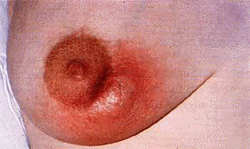
-A breast abscess is a localized collection of purulent material that develop usually as a result of mastitis

-Do not have to be lactating to develop breast abscess

-Signs and symptoms of breast abscess is painful inflammation of the breast associated with malaise, along with fever and tender fluctuant mass

-Primary treatment of breast abscess is incision and drainage

-If an abscess is suspected an ultrasound should be done to confirm and help localize the pocket of purulent material

-In the absence of MRSA risk factors, empiric therapy with cephalexin or dicloxacillin should begun.

-With MRSA risk factors bactrim or clindamycin should be initiated.

-In the setting of severe infection vancomycin should be given

-Subaerolar breast abscess with a retracted nipple should raise the possibility of anaerobic infection and should start augmentin or clindamycin

-Women should continue breast feeding


-Carcinoma-


-Globally, Breast cancer is the most frequently diagnosed cancer and leading cause of cancer death in women

-In the US, breast cancer is the most common diagnosed cancer and the second most common cause of cancer death in women.

-Patients are staged via the TNM staging system

-Early stage includes stage I, IIa or a subset of II B

-Locally advanced includes a subset of patients with clinical stage II B and stage IIIA to IIIC disease

-Early stage breast cancer undergo primary surgery (lumpectomy or mastectomy) to the breast and regional nodes with or without radiation

-Following local treatment, systemic treatment may be offered based on primary tumor characteristics, tumor size, grade, status of estrogen receptors, progesterone receptors, and the human epidermal growth factor 2 (HER 2 ) receptor

-Locally advanced breast cancer is best managed with mutimodality therapy including systemic and local regional therapy


-Fibroadenoma-


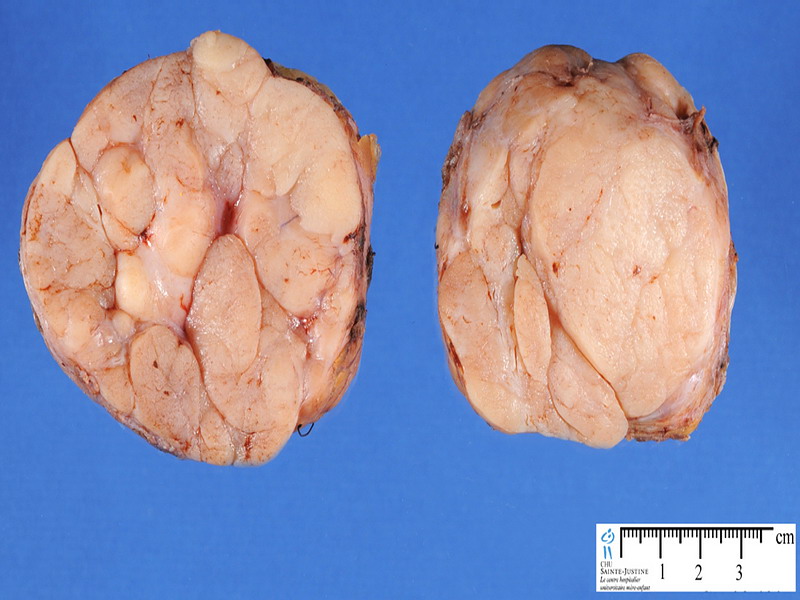
-Simple fibroadenomas are benign sold containing tumors that have some glandular as well as fibrous tissue

-Multiple fibroadenomas can occur on the same breasts or bilaterally

-Etiology of fibroadenomas is not known but thought to be hormonal.  They persist during the reproductive years, can increase in size during pregnancy or with estrogen therapy, and regress in menopause

-Fibroadenomas are usually found between the ages of 15-35

-With complex fibroadenomas there is an increase risk of breast cancer

-Physical exam usually reveals a well defined mobile mass, and a solid mass on ultrasound

-It is not necessary to excise biopsy proven fibroadenomas

-If a presumed fibroadenoma is symptomatic or increases in size, then incision is mandatory to rule out malignant change

-Rapid growth increases the suspicion for phyllodes tumor


-Fibrocystic Disease-


-Fibrocystic disease is breast pain that is attributed to fibrocystic changes

-The pain may be cyclical with the menstrual cycle hormone changes

-The terminology of the breast exam is nodular sensitive breast

-These are considered normal physiologic changes

-Patients should have regular mammograms and surveillance


-Gynecomastia-


-Gynecomastia is a benign proliferation of glandular tissue in the male breast

-Gynecomastia is caused by an increase in the ratio of the estrogen to androgen activity

-Gynecomastia can be unilateral or bilateral and is a palpable mass of at least 0.5 cm in diameter underlying the nipple

-Pseudogynecomastia is when there is not an increase in glandular tissue but fat tissue instead

-Gynecomastia is different from breast cancer in that breast cancer is typically eccentric to the nipple complex, firm to hard in texture, and may be associated with skin dimpling, nipple discharge, and regional lymphadenopathy

-Drugs/Medications associated with gynecomastia: anti-androgens and inhibitors of androgen synthesis, antibiotics, anti ulcer drugs, some chemotherapy drugs, ACE inhibitors, amiodarone, calcium channel blockers, digoxin, methyldopa

-Other causes of gynecomastia include:  alcohol, heroin, marijuana , methadone, amphetamines, androgens, anabolic steroids, psychotropic medications, and other various medications

-If gynecomastia is tender LH, HCG should be measured.  Mammography should be performed when the diagnosis is in question


-Galactorrhea-


-Galactorrhea is a milky nipple discharge unrelated to the normal milk production of breast-feeding

-There are many causes of galactorrhea, some physiologic and some pathologic

-Medications that can cause galactorrhea typical antipsychotics, atypical antipsychotics, antidepressants, Tagamet, Reglan, Methyldopa, Verapamil, codeine, and morphine

-Hyperprolactinemia can cause galactorrhea

-Neurogenic stimulation can cause galactorrhea

-Pathologic discharge is usually unilateral, localized to a single duct, persistent and spontaneous.  It can be yellow, sanguinous, or blood tinged.

-The most common cause of pathologic nipple discharge is papilloma.  Solitary papillomas can harbor areas of atypic or ductal carcinoma in situ (DCIS)

-Treatment is directed at finding underlying cause and treating it or discontinuing the medication


-Mastitis-


-Mastitis is the localized inflammation of the breast tissue that may or may not be accompanied by infection

-Three major classifications of mastitis:  infections, non infectious, and mastitis associated with malignancy

-Infectious mastitis can include simple mastitis or complicated mastitis (abscess formation)

-Lactational mastitis is the most common form of mastitis

-Non infectious mastitis can be from post irradiation mastitis, periductal mastitis, and idiopathic granulomatous mastitis

-Lactation mastitis best treated with cephalexin or augmentin

-If MRSA is suspected use bactrim


Monday, June 16, 2014

Menstrual Disorders

Menstrual Disorders-

-Amenorrhea-


-Amenorrhea is the absence of menses.  It can be temporary, permanent, or occur intermittently

-Amenorrhea can result from dysfunction of he hypothalamus, pituitary, ovaries, uterus, or vagina

-Primary Amenorrhea is the absence of menarche by age 15

-Secondary amenorrhea is the absence of menses for 3 cycle intervals or six months women women were previously menstruating

-Etiologies of primary amenorrhea is usually the result of chromosomal abnormalities, hypothalamic hypogonadism, absence of uterus, cervix, or vagina (mullerian agenesis), transverse vaginal septum, imperforate hymen, and pituitary disease

-Pregnancy is the most common cause of secondary amenorrhea

-Common causes of secondary amenorrhea include disorders of the ovary, hypothalamus, pituitary, and uterus

-Lab work up should include pregnancy test, prolactin, FSH, TSH, DHEA-S

-High FSH concentrations suggest primary ovarian failure or insufficiency

-Further evaluation may look at assessment of estrogen status

-Treatment of women with secondary amenorrhea should be directed correcting the underlying pathology if possible and medical treatment to prevent complications such as estrogen replacement for prevention of osteoporosis


-Dysmenorrhea-


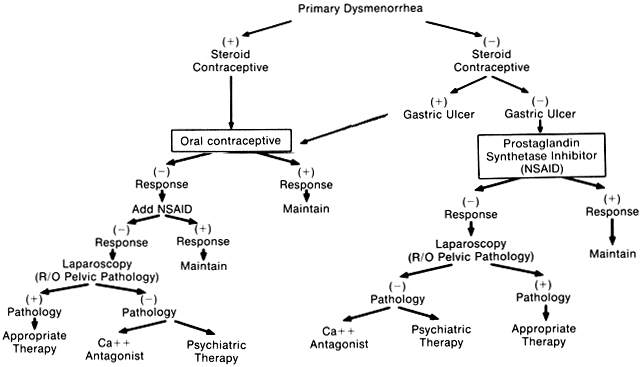
-Primary dysmenorrhea is characterized by recurrent, crampy lower abdominal pain occurring during menses and in the absence of demonstrable disease

-First line therapy includes heat packs and NSAIDS and/or estrogen progestin contraceptives

-For women who estrogen is not able to be used, NSAIDS only can be used as first line treatment

-Women who do not adequate pain relief with NSAIDS and/or estrogen contraceptive, secondary dysmenorrhea may need to be investigated

-Etiologies of secondary dysmenorrhea can include:  endometriosis, pelvic inflammatory disease, adhesions, pelvic congestion syndrome, adenomyosis, ovarian cancer, ovarian remnant syndrome, leiomyoma

-Treatment of secondary dysmenorrhea is targeted at determining cause and treating it if possible


-Premenstrual Syndrome-


-Premenstrual Syndrome references the physical and behavior symptoms that repetitively occur in the second half of the menstrual cycle and interfere with some aspects of a woman's life

-Premenstrual Dysphoric Disorder (PMDD) is symptoms of anger, irritability, and internal tension are prominent

-PMS is defined as at least one symptom associated with economic or social dysfunction that occurs five days before the onset of menses that occurs in at least 3 menstrual cycles

-Symptoms of PMS may be affective such as depression or angry outbursts, or physical such as breast pain or bloating

-Other potential causes of PMS symptoms include thyroid disorders, substance abuse, IBS, chronic fatigue symptoms, or migraines

-First line therapy for treatment is SSRI's such as fluoxetine, sertraline, paroxetine, or citalopram

-Other agents may help are oral contraceptives, xanax, or GnRH agonists


-Menopause-


-Natural menopause is permanent cessation of menstrual periods for at least 12 months without any other obvious cause

-The median age is 51.4 of menopause

-Menopause is a reflection of complete, or near complete ovarian follicle depletion

-Menopause before the age of 40 is considered to be abnormal and is referred to as primary ovarian insufficiency or premature ovarian failure

-Peri menopause begins usually 4 years before the onset of the final menstrual period.  It is accompanied by hot flashes, marked hormonal fluctuations, sleep disturbances, mood symptoms, and vaginal dryness

-Workup should include HCG, FSH, TSH, prolactin

-Estrogen is the gold standard for relief of menopausal symptoms.  Women with an intact uterus need a progestin in addition to estrogen to prevent endometrial hyperplasia

-Short term therapy is considered 2-3 years and generally not more than 5 years


Tuesday, June 10, 2014

Vagina/Vulva

Vagina/Vulva-

-Cystocele-


-Cystocele is a hernia of the anterior vaginal wall that is associated with decent of the bladder

-Risk factors for cystocele include parity, advancing age, and obesity

-Hysterectomy may be associated with an increase risk of cystocele

-Chronic constipation can increase the risk for cystocele

-Clinical symptoms may include:  bulge, vaginal pressure, sexual dysfunction, and urinary and defecation problems

-Treatment is indicated for women with symptoms of prolapse.  Asymptomatic cystocele is not an indication for treatment

-Surgical correction is definitive therapy


-Neoplasm-


-Vaginal neoplasms are the rarest of all gynecologic neoplasms

-Carcinoma in Situ (CIS) occur mostly in the third decade of life.

-Over one half of the patients with CIS will have an antecedent or coexistent neoplasm of the lower genital tract

-Treatment options include laser ablation, local excision, and chemical treatment with 5 FU.  Total or partial vaginectomy with application of a split full thickness skin graft is usually reserved for treatment failures

-Invasive vaginal cancer is usually of the squamous cell carcinoma type (95%)

-Radiation therapy is the mainstay of treatment for patients with invasive vaginal cancer.   Radical hysterectomy combined with upper vaginectomy and pelvic lymphadectomy being used for upper vaginal lesion


-Prolapse-


-Apical prolapse is descent to the cervix, uterus or vaginal vault

-Apical vaginal prolapse is descent of the vaginal cuff scar or cervix, below a point which is 2 cm less than the total vaginal length about the plane of the hymen.

-Risk factors for development include:  parity, obesity, chronic constipation, hysterectomy, and advancing age

-Indications for surgical correction are those who are symptomatic and can tolerate surgical repair


-Rectocele-


-Rectocele is anterior protrusion of the rectum, usually into the vagina.

-The diagnosis of this is make of pelvic examination

-Risk factors for rectocele include:  vaginal childbirth, advancing age, and increasing body mass index

-Treatment is surgical correction definitively


-Vaginitis-


-Vaginitis refers to disorders that cause infection, inflammation, or changes of the normal vaginal flora

-Ninety percent of cases of vaginitis are caused by bacterial vaginitis, trichomonas vaginitis, and candidia vaginitis

-Less common causes of vaginitis include atrophic vaginitis, cervicitis, foreign body, irritants, and allergens

-Symptoms of vaginitis include changes in color or volume or odor of vaginal discharge, pruritus, burning, irritation, erythema, dyspareunia, spotting, and dysuria

-Wet prep and KOH can help define clue cells which are indicative of bacterial vaginitis. Trichomonas does not have clue cells and is sexually transmitted.  There is budding yeast with candidia

-Bacterial vaginitis is caused by Gardnarella

-Gardnarella is treated with metronidazole 500 mg BID for 7 days

-Candidia is treated with diflucan 150 mg PO times one dose, or terazole 7 vaginal suppositories for pregnant women.

-Trichomonas Vaginitis is treated with metronidazole 500 mg BID for 7 days.  Trichomonas is an sexual transmitted disease and partners need to be treated


Monday, June 2, 2014

Cervix

Cervix-

-Cervical Carcinoma-


-Cervical carcinoma is unique that there is a precursor lesion called  CIN (cervical intraepithelial neoplasia)

-CIN typically has a slow progression to frank cervical cancer

-Pap Smear is the non invasive screening test where samples are taken from the endocervix and exocervix

-Colposcopy is the follow up procedure for diagnosis on pap smears that are positive

-Treatments for precursor lesions CIN include cryotherapy, laser ablation, LEEP procedure (loop electrosurgical excision procedure), and cold knife cone biopsy with high cure rates

-Cervical cancer is now the second most common malignancy of women due to early detection

-Risk factors for development of cervical cancer:  early intercourse, multiple sex partners, early childbearing, male factors that are high risk, venereal infection, immune status, oral contraception, cigarette smoking, intrauterine DES exposure, and human papilloma virus exposure

-The area of metaplasia occurs for CIN between the old and new squamous columnar junction (SCJ)

-Ninety five percent of squamous intraepithelial neoplasia occurs in an area called the transformation zone

-Types of HPV associated with cervical carcinoma include types 16, 18, 31, 33, 35, 39, 45, 51, 52, 56, or 58

-Pap smears are recommended at age of first sexual intercourse or age of 18.

-The average age of invasive cervical carcinoma is 50

-The mainstays of treatment for invasive cervical carcinoma are radical surgical therapy and/or pelvic radiation


-Cervicitis-


-Cervicitis is inflammation of the uterine cervix

-Cervicitis can be infectious or non infectious.  Can be acute or chronic

-Acute cervicitis is usually due an infection (gonorrhea and chlamydia), sometime a specific infection cannot be identified

-Chronic cervicitis is usually due to a non infectious source

-Non infectious cervicitis is usually due to mechanical or chemical irritation

-Chemical irritation can come from latex, contraception cream, vaginal douches

-Mechanical irritation can be from tampons, pessary, diaphragms, tampons, cervical caps, and string from IUD

-Non infectious cause also can include systemic disease (Bechet's) and radiation therapy

-Symptoms of cervicitis include purulent vaginal discharge, post coital bleeding, dysuria, urinary frequency, dyspareunia, and vulvovaginal irritation

-Empiric treatment for gonorrhea includes Rocephin 250 mg IM

-Empiric treatment  for chlamydia includes Zithromax 1 gram PO times one dose or Doxycycline 100 mg BID for 10 days


-Dysplasia (Cervical)-


-Cervical dysplasia is abnormal growth of precancerous cells on the surface of the cervix

-Cervical dysplasia is classified as high grade or low grade determined by the extent of the cell growth

-Cervical dysplasia is associated with HPV

-Surgical removal of abnormal tissue is the treatment of choice for cervical dysplasia


-Cervical Incompetence-


-Cervical incompetence is painless dilation that occurs in the second trimester that can cause pregnancy loss of otherwise normal pregnancies

-Structural weakness of the cervical tissue was though to cause or contribute to these adverse outcomes

-It has also been defined as the inability for the cervix to retain a pregnancy in the absence of signs and symptoms of clonal contraction in the second trimester

-Risk factors for cervical incompetence include:  collagen abnormalities (Ehlers Danlos syndrome), uterine abnormalities, Uterine DES exposure, and biologic trauma.  Also obstetrical trauma, mechanical trauma from procedures, and treatment of CIN.

-Diagnosis can be confirmed by exam and transvaginal ultrasound

-Treatment may include cerclage or ultrasound surveillance